
Woodworm & Timber Rot Treatment
Woodworm, dry rot, and wet rot can silently destroy the structural timber in your property. Left unchecked, they compromise the integrity of your floors, roof, and walls. We eradicate the problem and repair the damage.
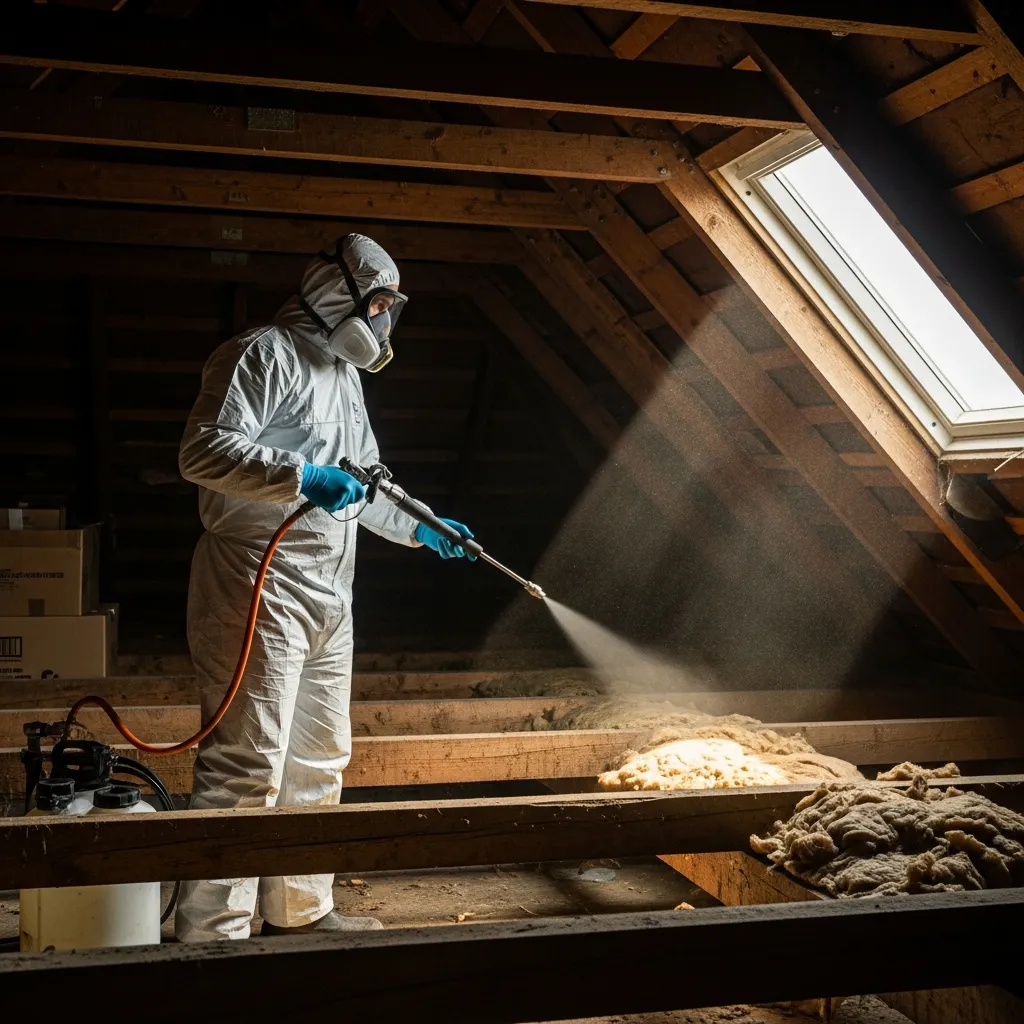
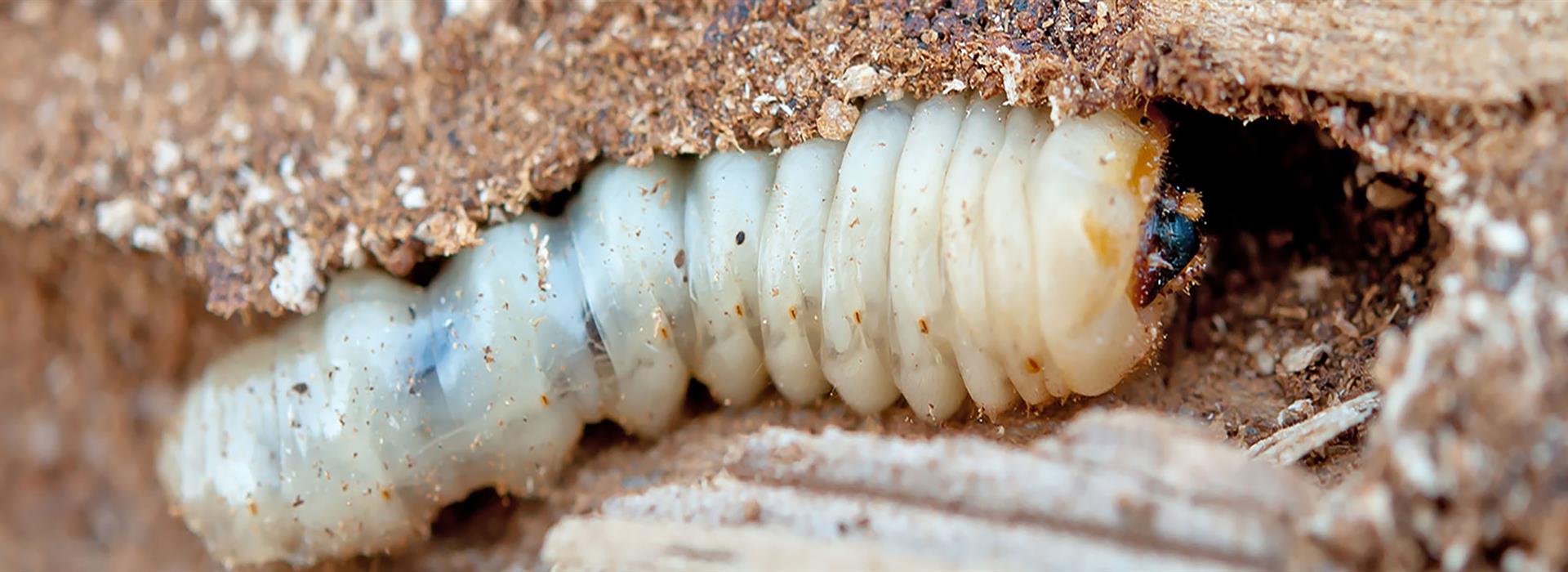
Signs of Woodworm
Woodworm is caused by wood-boring beetles. The adult beetle lays eggs in cracks in timber; the larvae then bore through the wood for years, weakening it from the inside. By the time you see the exit holes, there may already be significant damage.
- Small, round exit holes (1–2mm) in timber surfaces
- Fine, powdery dust (frass) beneath or around the holes
- Weak, crumbling timber that gives way under pressure
- Live grubs or beetles visible — particularly in spring and summer
- Damaged floorboards, roof timbers, or furniture
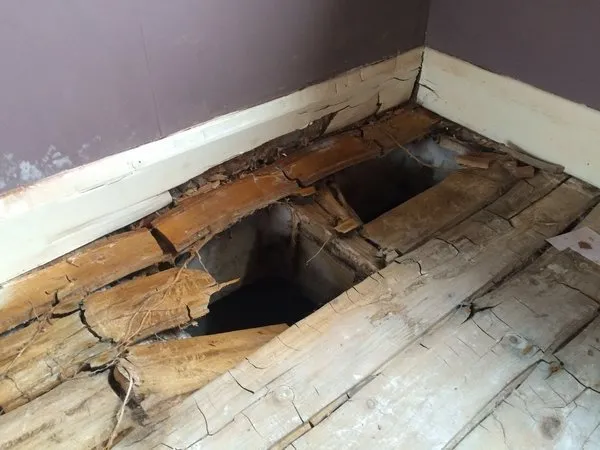
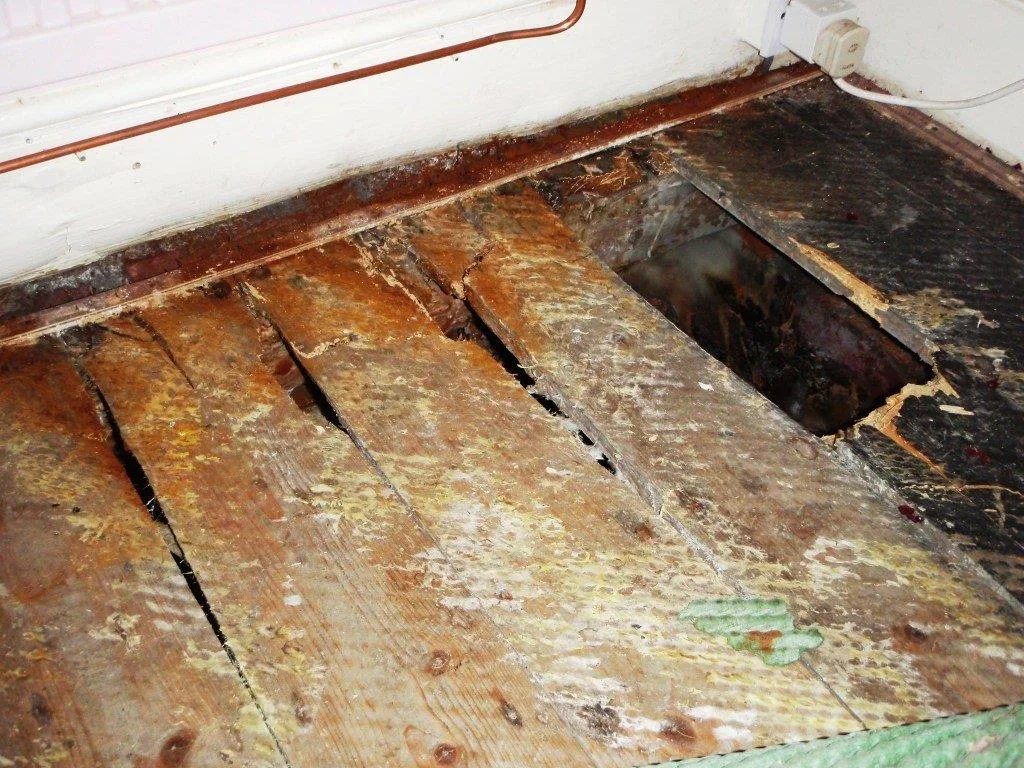
Signs of Dry Rot or Wet Rot
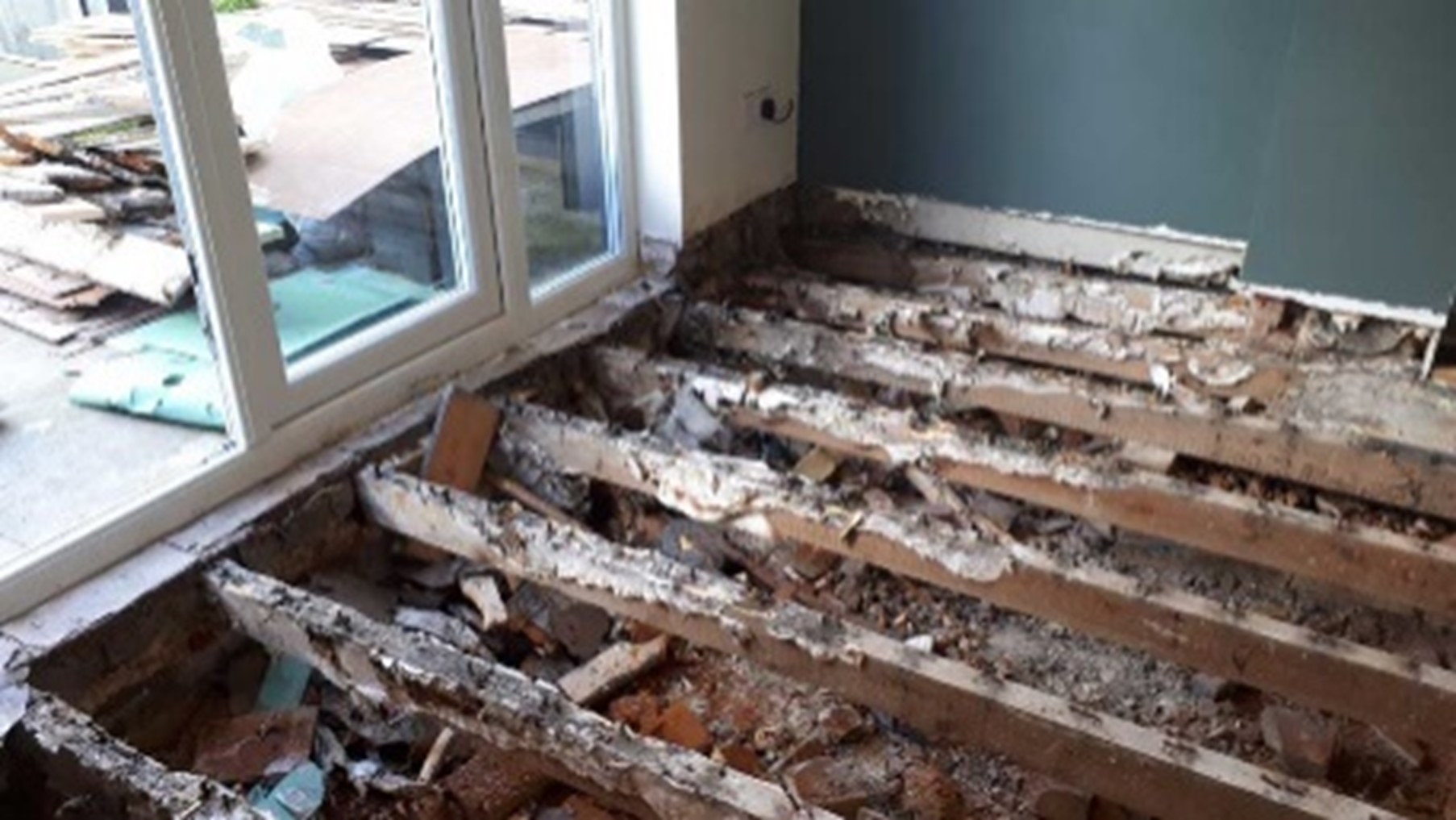
Timber rot is caused by fungi that feed on the wood, breaking down its structural fibres. Dry rot (Serpula lacrymans) is the more serious of the two — it can spread across masonry and non-timber surfaces, moving moisture to timber that would otherwise be dry. Wet rot requires persistently wet timber and is more localised.
- Timber that sounds hollow when tapped
- Timber that crumbles or breaks away in chunks (dry rot)
- Soft, spongy wood that yields easily to touch (wet rot)
- White or grey fungal growth on timber surfaces
- A strong musty or mushroom-like smell
- Cracked or 'cuboidal' breaking pattern in timber
Our Timber Treatment Process
1Full Timber Survey
We inspect all accessible and vulnerable timber in your property — roof timbers, floor joists, subfloor timbers, structural beams, and joinery. We identify the species of infestation and the extent of damage.
2Specialist Insecticide Treatment (Woodworm)
We apply professional-grade insecticidal preservative to all affected timbers by spray or brush. This penetrates deep into the wood and kills larvae within the timber. One treatment is normally sufficient for a full eradication.
3Fungicide Treatment & Timber Removal (Rot)
For dry and wet rot, all infected timber must be removed. We then treat the surrounding structure and masonry with fungicidal solution to kill the fungal mycelium and prevent regrowth.
4Structural Repairs
Damaged structural timbers are replaced with pre-treated timber. We repair or replace floor joists, rafters, and any other structural elements that have been compromised — restoring the structural integrity of your property.
5Address the Root Cause
Timber decay is almost always caused by damp. We identify and remedy the moisture source — whether that's rising damp, a leak, or poor ventilation — to ensure the treatment lasts.
Important: Don't Delay
Dry rot in particular can spread extremely rapidly — travelling through brickwork and plaster to reach fresh timber. If you suspect dry rot, call us immediately. The longer it's left, the more extensive and expensive the remediation becomes.
Suspect Timber Damage?
Act quickly. Woodworm and rot only get worse over time. Call us for a free timber survey across Colchester and Essex.
Book a free timber inspection today
Call us directly or use our contact form. We cover Colchester, Ipswich, Clacton, Braintree, Chelmsford, and all surrounding Essex and Suffolk areas.