
Underfloor Insulation
Cold floors waste heat, encourage damp, and make rooms uncomfortable. Underfloor insulation is one of the most cost-effective improvements you can make to an older Essex property — and we do it properly.
Why Older Properties Lose So Much Heat Through the Floor
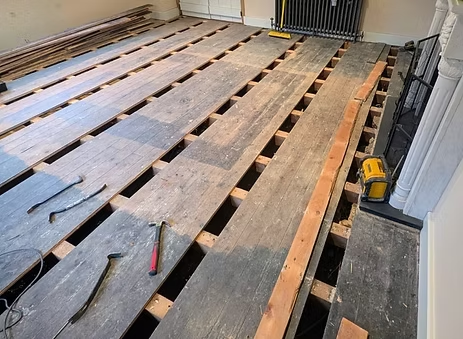
Many properties in Colchester and across Essex were built with suspended timber ground floors — a timber deck sitting over a ventilated void above the ground. This was excellent building practice at the time: the void keeps moisture away from the timber and allows the subfloor to breathe.
The problem is that cold air continuously circulates in this void, and without insulation, that cold transfers directly into your living space through the floorboards. Heat rises into the room and escapes through the roof; cold enters from below. It's a constant battle that underfloor insulation resolves decisively.
Signs You Need Underfloor Insulation
- Cold floors that never seem to warm up, no matter how much the heating runs
- High energy bills despite modern heating systems
- Damp or musty smells rising through the floor
- Condensation forming at low level on walls and skirting boards
- Cold draughts that appear to come from the floor or skirting area
- Rooms that are noticeably colder than the rest of the house
Our Installation Process
1Survey & Assessment
We inspect the subfloor space, assess the depth and ventilation of the void, and determine the most appropriate insulation type and specification for your property.
2Subfloor Preparation
We check that the subfloor void is adequately ventilated. Where necessary, we clear debris, treat any damp or timber issues, and ensure the space is ready to receive insulation.
3Insulation Installation
We install rigid insulation boards or mineral wool batts between the floor joists, cut precisely to fit. The insulation is held firmly in place without compressing it, preserving its thermal performance.
4Air Sealing
We seal any gaps around pipes and at the perimeter to prevent cold draughts entering the living space while maintaining the ventilation the subfloor void needs to stay dry.
Benefits of Underfloor Insulation
- Significantly warmer floors and rooms throughout winter
- Reduced heating bills — insulation keeps the heat in where you need it
- Improved resistance to ground moisture and cold bridge condensation
- More even temperature distribution throughout the property
- Reduced carbon footprint through greater energy efficiency
- Comfortable, usable living spaces in previously cold rooms
The Connection to Damp
Underfloor insulation is not just about warmth. Cold surfaces at floor level create condensation — moisture in the warm room air settles on the cold floor surface and at the base of cold walls. This contributes directly to mould growth and damp problems at low level. Insulating the floor raises these surface temperatures and removes a major cause of condensation.
Cold Floors?
Book a free survey and we'll assess your subfloor and tell you exactly what insulation is right for your property.
Book a free underfloor insulation survey
Call us today or fill in our contact form. We cover Colchester, Ipswich, Clacton, Braintree, Chelmsford, and surrounding Essex and Suffolk areas.